







Purchase
2026 JUNO Awards Nominee: Classical Album of the Year (Solo Artist)
⭐️⭐️⭐️⭐️⭐️ – BBC Music Magazine Vocal Choice for October 2025
“Haitham Haidar, Singing from Two Worlds” —Early Music America Interview
“Zaytoun Spans Arabic and Baroque Music for Personal Expression” –Classic 107 Interview
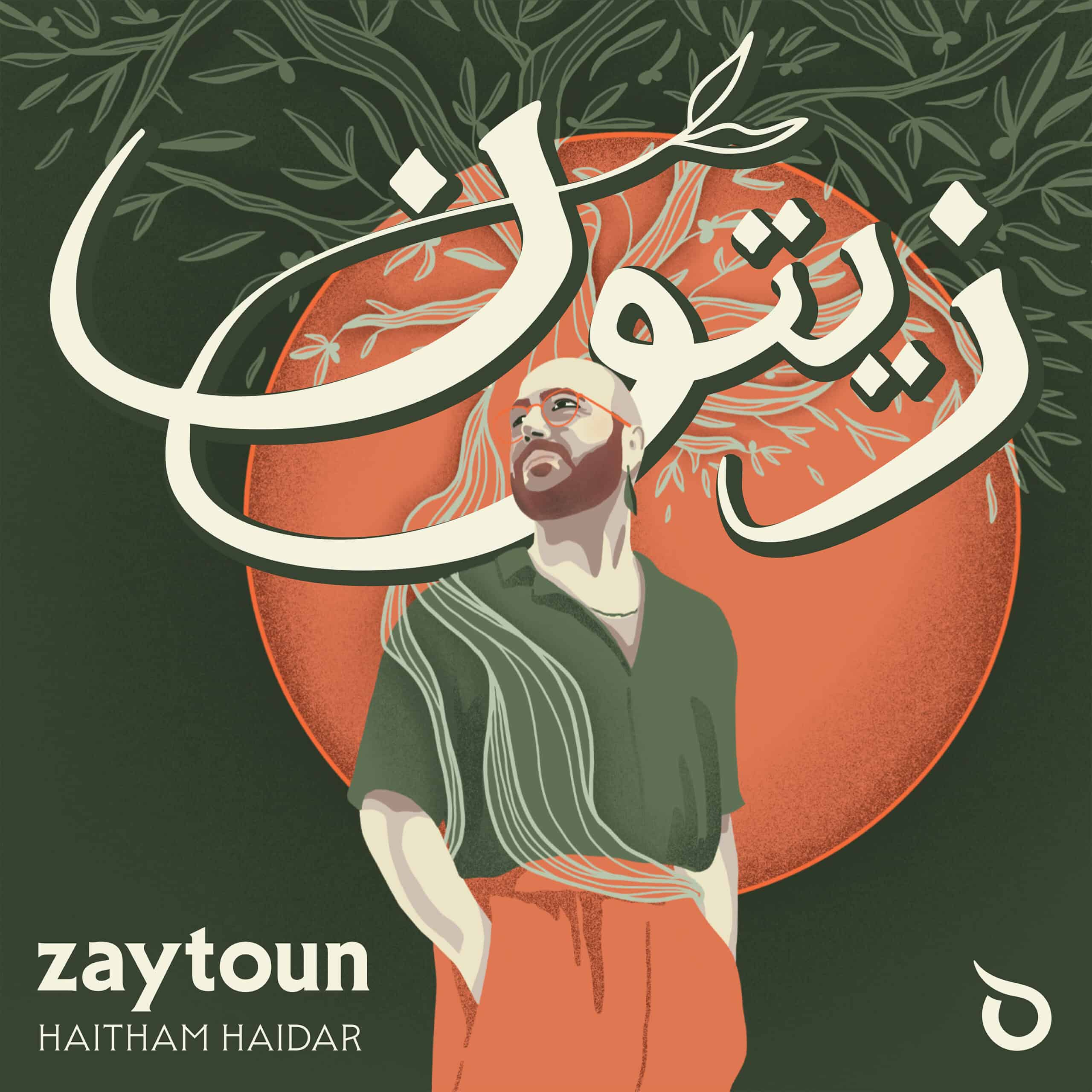
Tenor Haitham Haidar’s debut solo album Zaytoun (meaning ‘Olive’ in Arabic) is a captivating collection of beautiful Baroque and Arabic songs, interlaced with poetry and musical improvisations, an exploration of the intersection between Baroque and Arabic music. Whether it be through instrumentation, ornamentation, or vocal production, Zaytoun highlights the natural connections between what we generally view as separate worlds.
Haidar pairs Baroque arias and songs by Monteverdi, Purcell and Bach, with the traditional Arabic songs which were his first introduction to music. He has added arabic instrumentation to some of these Baroque standards, and even translated a Bach aria into Arabic, incorporating Arabic style into the Baroque structure. Alongside the music, are three poetry tracks (from Gibran Khalil Gibran’s The Prophet) read over beautifully performed oud improvisation by Abdul-Wahab Kayyali.
These tracks (prelude, intermezzo, and postlude) help present the music to follow and shape Haidar’s narrative of his own immigrant story in the unique intertwining of Arabic and Baroque music.
“As an Arab immigrant, life continues to be a journey of exploration of home, of belonging and this musical project encompasses all parts of my identity, allowing them to live and shine within one sphere rather than compartmentalized sections of myself.”
Haitham Haidar is a Lebanese-Palestinian Canadian tenor highly sought out for his musicality, “standout presence”, and sensitive storytelling. He is a proud graduate of Yale’s Institute of Sacred Music, McGill’s Schulich School of Music, and the University of British Columbia and currently resides in Montreal, Quebec. Haitham is praised for his ‘musical and linguistic versatility’ and his ‘bright’ and ‘innately lyrical voice’ and enjoys performing oratorio, opera, and chamber music across North America, Europe, and Asia. His recordings as a soloist with the Conspirare and Skylark ensembles have received multiple GRAMMY® nominations.
- Prelude: On Love (0:59)
Vespro della Beata Vergine, SV 206
- No. 3, Nigra Sum (3:50)
- El Helwa Di (3:29)
- Zourouni (2:23)
Lamento della Ninfa, SV 163
- No. 2, Amor (3:55)
Oedipus, Z. 583, Act III
- No. 2, Music for a While (3:33)
- Wa Habibi (2:59)
- Intermezzo: On Joy and Sorrow (The Prophet) (1:16)
Matthäus-passion, BWV 244
- No. 39, Erbarme dich, mein Gott (Sung in Arabic) (6:53)
- Grief, Keep Within (8:12)
- Li Beirut (4:40)
- Le doux silence de nos bois (5:20)
- Ya Taleen (3:18)
- Postlude: On Death (0:51)
- 01 Prelude: On Love (0:59)
- 02 No. 3, Nigra Sum (3:50)
- 03 El Helwa Di (3:29)
- 04 Zourouni (2:23)
- 05 No. 2, Amor (3:55)
- 06 No. 2, Music for a While (3:33)
- 07 Wa Habibi (2:59)
- 08 Intermezzo: On Joy and Sorrow (The Prophet) (1:16)
- 09 No. 39, Erbarme dich, mein Gott (Sung in Arabic) (6:53)
- 10 Grief, Keep Within (8:12)
- 11 Li Beirut (4:40)
- 12 Le doux silence de nos bois (5:20)
- 13 Ya Taleen (3:18)
- 14 Postlude: On Death (0:51)